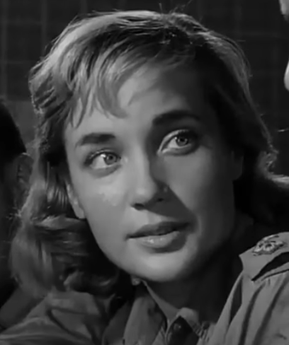
Sylvia Syms: Why This British Actress Forged Her Own Path Beyond Hollywood's Lure
In the vibrant post-war landscape of British cinema, a star emerged with undeniable brilliance: Sylvia Syms. Her captivating presence, marked by a potent blend of defiance and vulnerability, quickly established her as one of the most promising actresses of her generation. Making an immediate impact with her 1956 film debut, My Teenage Daughter, Syms seemed destined for global stardom. Yet, unlike many of her contemporaries, she famously turned down the glittering allure of a Hollywood contract, choosing instead a different, profoundly personal, trajectory for her remarkable career. What lay behind this intriguing decision, and how did it shape the enduring legacy of a truly versatile British icon?
The Early Spark: A Meteoritic Rise in British Cinema
Born in Woolwich, London, in 1934, Sylvia Syms navigated a challenging childhood, including wartime evacuation and the profound loss of her mother at the age of twelve. These early experiences undoubtedly forged a resilient spirit, which she channelled into her artistic pursuits, training at the prestigious Royal Academy of Dramatic Art (RADA). It wasn't long before her talent caught the eye of filmmakers.
Her screen debut in My Teenage Daughter was nothing short of a revelation. Playing a 17-year-old rebel – a role often compared to James Dean's iconic portrayal in Rebel Without a Cause – Syms, then 22, mesmerized audiences. She embodied the angst and longing of youth, leaving her on-screen widowed mother (played by Anna Neagle) in despair while navigating a tumultuous relationship with Kenneth Haigh's delinquent character. The film instantly marked her as a formidable presence, radiating both a fierce independence and a delicate fragility that belied her years.
This powerful introduction immediately positioned Syms as a significant talent. Her versatility was apparent from the outset, effortlessly transitioning between the intense drama of melodrama, the warmth of romance, and the lightness of comedy. She quickly earned her first of three Bafta Award nominations for her performance in Woman in a Dressing Gown (1957), portraying a secretary whose affair with an older, married man (Anthony Quayle) threatens to unravel his domestic life. These early roles solidified her status as a dynamic force in British cinema, setting the stage for a career that would continually defy easy categorization.
The Heart of the Matter: Love, Lifestyle, and Discipline
The primary reason Sylvia Syms cited for turning down the golden ticket to Hollywood was deeply personal: her marriage in 1956 to her childhood sweetheart, Alan Edney. In an era where many actresses were expected to prioritize their careers above all else, often making significant personal sacrifices for fame, Syms made a conscious choice to anchor herself in Britain, valuing her relationship and a more grounded lifestyle. This decision, while perhaps seen as unconventional by some, speaks volumes about her authentic nature.
Beyond her marital commitment, Syms openly admitted to a self-perceived lack of the rigorous discipline required for Hollywood stardom, particularly concerning the relentless demands of maintaining a glamorous image. She once reflected that she "could never have been as disciplined as others, such as Joan Collins, in working hard at looking good." This statement offers a fascinating glimpse into the contrasting worlds of British and Hollywood cinema in the 1950s and 60s. While British studios often valued raw talent and character acting, Hollywood's formidable studio system exerted immense control over an actor's public image, requiring a constant, polished perfection that Sylvia Syms simply wasn't prepared to dedicate her life to.
Her choice was, in many ways, an act of self-preservation and a refusal to conform to an industry that often prioritized appearance over substance. It allowed her to cultivate a career rooted in the genuine exploration of characters, rather than being confined to the often-superficial molds Hollywood could impose. This decision, while limiting her global superstardom, ultimately empowered her to carve out a distinctive and respected niche in British film, television, and theatre, defined by authenticity and a profound connection to her craft rather than relentless self-promotion.
A Legacy Forged in Britain: Iconic Roles and Bold Choices
Despite her decision to forgo Hollywood, Sylvia Syms' career blossomed with a diverse array of iconic roles that showcased her incredible range and willingness to tackle challenging themes. Her talent was simply too compelling to be confined, and she quickly became a fixture in some of the most memorable British films of the era.
In 1958, she received top billing in the seminal war film Ice Cold in Alex, playing a nurse alongside John Mills and Anthony Quayle. Filmed in the arduous conditions of the North African desert, Syms recalled the primitive living conditions, remarking, "There were holes in the ground for lavatories, and so many flies. We used DDT as hairspray." Her portrayal added a crucial human element to the high-stakes narrative of British officers escorting a medical unit and a suspected German spy. The film was particularly notable for giving a starring role to a woman in a 1950s war drama, a testament to Syms' growing stature and the industry's recognition of her unique appeal.
Her versatility continued to shine in a variety of other roles, from a wife whose husband is jailed in The Birthday Present (1957) to a romantic lead in the civil war drama The Moonraker (1958) and a Cambridge undergraduate in Bachelor of Hearts (1958). Another Bafta nomination came for her powerful performance in No Trees in the Street (1959), where she played a sister who shoots her tearaway brother to save him from hanging for murder, after herself enduring seduction and humiliation. She then transformed into a Soho stripper in the musical Expresso Bongo (1959), an Italian nun in Conspiracy of Hearts (1960), and a banker's daughter entangled in a love triangle in The World of Suzie Wong (1960).
Beyond these captivating performances, Sylvia Syms also became known for her courage in addressing societal taboos on screen. She fearlessly took on roles that sparked dialogue and challenged conventional thinking, often years ahead of their time. For a deeper dive into these groundbreaking portrayals, explore Sylvia Syms' Brave Roles: Tackling Taboos in British Cinema.
Reflecting on "What If": Acknowledging Beauty and Authenticity
Decades after making her pivotal career choices, Sylvia Syms offered a poignant reflection: “I wish I had known how beautiful I was when I was beautiful. I always saw other people as being much more glamorous than me.” This statement, far from expressing regret over her career path, provides a nuanced insight into the universal human struggle with self-perception, especially for women in the public eye. It highlights the often-unseen pressures and the internal battles with self-image that even acclaimed actresses face, irrespective of their fame or beauty.
Her introspection wasn't a lament for lost Hollywood opportunities, but rather an honest acknowledgment of how external ideals of glamour can distort one's self-view. It underscores her enduring authenticity; Syms was always true to herself, valuing genuine connection and meaningful work over the sometimes-superficial demands of celebrity. This grounded approach, ironically, made her all the more compelling on screen. Her performances were always imbued with a profound humanity, allowing audiences to connect with her characters on a deeper level precisely because she wasn't striving for an unattainable, manufactured perfection.
This commitment to authenticity remained a hallmark of her career, allowing her to portray a vast spectrum of human experience with honesty and depth. Her choice to remain in Britain not only enabled her to nurture her personal life but also to take on roles that were often more complex and socially relevant than those typically offered within the Hollywood studio system of the time. It was a choice that ultimately enriched British cinema and cemented her place as a beloved national treasure.
Sylvia Syms' decision to turn down Hollywood was not a rejection of success, but a declaration of her own values. By prioritizing her marriage and embracing a career free from the relentless pursuit of superficial glamour, she forged a unique and enduring legacy in British cinema. Her incredible versatility, courageous choice of roles, and profound authenticity ensured her status as an iconic figure whose work continues to resonate. For a comprehensive look at her extensive and remarkable journey through film, television, and stage, explore Sylvia Syms: A Versatile British Star's Six-Decade Legacy.